
The evolution of casinos tracing the historical timeline and cultural influences
The Origins of Gambling
The history of casinos can be traced back to ancient civilizations where games of chance were deeply ingrained in cultural practices. Archaeological evidence suggests that the Chinese played dice games as early as 2300 BC, while the Romans also engaged in various forms of gambling. These activities were not only for entertainment but served as a way to bond communities and engage in ritualistic activities, reflecting the values and beliefs of the societies. As gaming practices evolved, many players began exploring options like non gamstop casinos no deposit, which offered new alternatives for those seeking to enjoy gambling experiences.
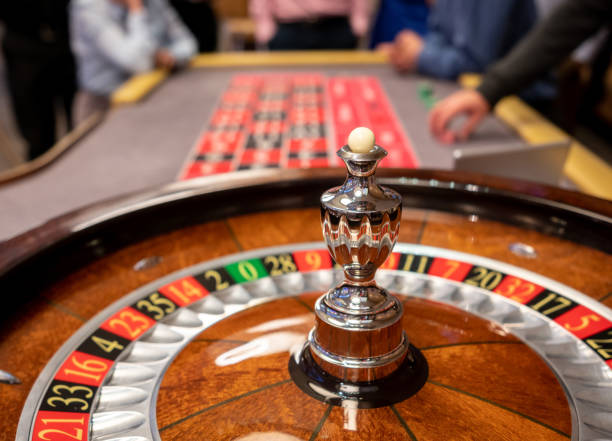
As time progressed, the influence of gambling spread across different cultures, often adapting to local customs. In medieval Europe, gaming houses began to emerge, providing a more structured environment for gambling. This laid the groundwork for what would eventually evolve into modern casinos, influenced by both social norms and the economic dynamics of the time.
The Birth of Modern Casinos
The establishment of the first official casino occurred in Venice in 1638, with the opening of the Casino di Venezia. This marked a significant turning point in the gambling landscape, transforming it from informal gatherings into organized establishments. The popularity of casinos grew, especially in Europe, where they became associated with high society and leisure activities.
During the 19th century, the concept of the casino continued to evolve. The emergence of Monte Carlo as a gambling hub attracted elite clientele, further embedding casinos within the culture of luxury and extravagance. This era not only highlighted the allure of gambling but also initiated debates surrounding morality and the societal implications of such establishments.
The Rise of American Casinos
The introduction of casinos in the United States took off in the early 20th century, especially in Nevada. Las Vegas emerged as a gambling haven after the state legalized casino gaming in 1931. This decision reshaped the landscape of gambling in America and made Las Vegas synonymous with entertainment and gaming.
American casinos began to innovate, incorporating extravagant themes, live entertainment, and a plethora of gaming options. This not only attracted a diverse crowd but also encouraged the integration of gambling into mainstream culture. The shift in perception of casinos—from illicit activities to legitimate businesses—was pivotal in their evolution.
Cultural Influences on Casinos
Throughout history, casinos have mirrored the cultural values of the societies in which they are embedded. In many cultures, gambling is intertwined with traditional festivities, serving as a form of celebration. The aesthetic and operational elements of casinos often draw inspiration from local art, architecture, and folklore, creating unique experiences for patrons.
Moreover, the representation of casinos in popular media has significantly influenced public perception. Films, television shows, and literature often romanticize the casino experience, portraying it as glamorous and thrilling. This cultural portrayal has not only drawn people to these establishments but has also affected the development of casino regulations and practices.

Ensuring Safety in Online Casinos
As the digital age evolved, the concept of casinos expanded beyond physical locations to include online platforms. These virtual casinos have adopted security measures to create a safe and enjoyable environment for users. Advanced technologies, such as Cloudflare’s security services, are utilized to protect against online threats, ensuring that players can engage without concern.
Online casinos focus on user experience, implementing measures to notify users when access may be temporarily restricted due to security protocols. This commitment to safety not only enhances user trust but also reflects the ongoing evolution of gambling practices in the digital era, blending technology with entertainment.